 NZ
NZ
 AU
AU
 UK
UK

In environments such as rail corridors and electrical substations, perimeter protection plays a vital role in safeguarding infrastructure, equipment, and personnel. These boundaries are not simply physical barriers—they are essential safety components within complex operational environments.
Traditional fencing systems are often manufactured from steel. However, because steel is a conductive material, additional earthing and bonding systems are typically required to maintain electrical safety. These requirements can add complexity to installation and increase overall project costs.
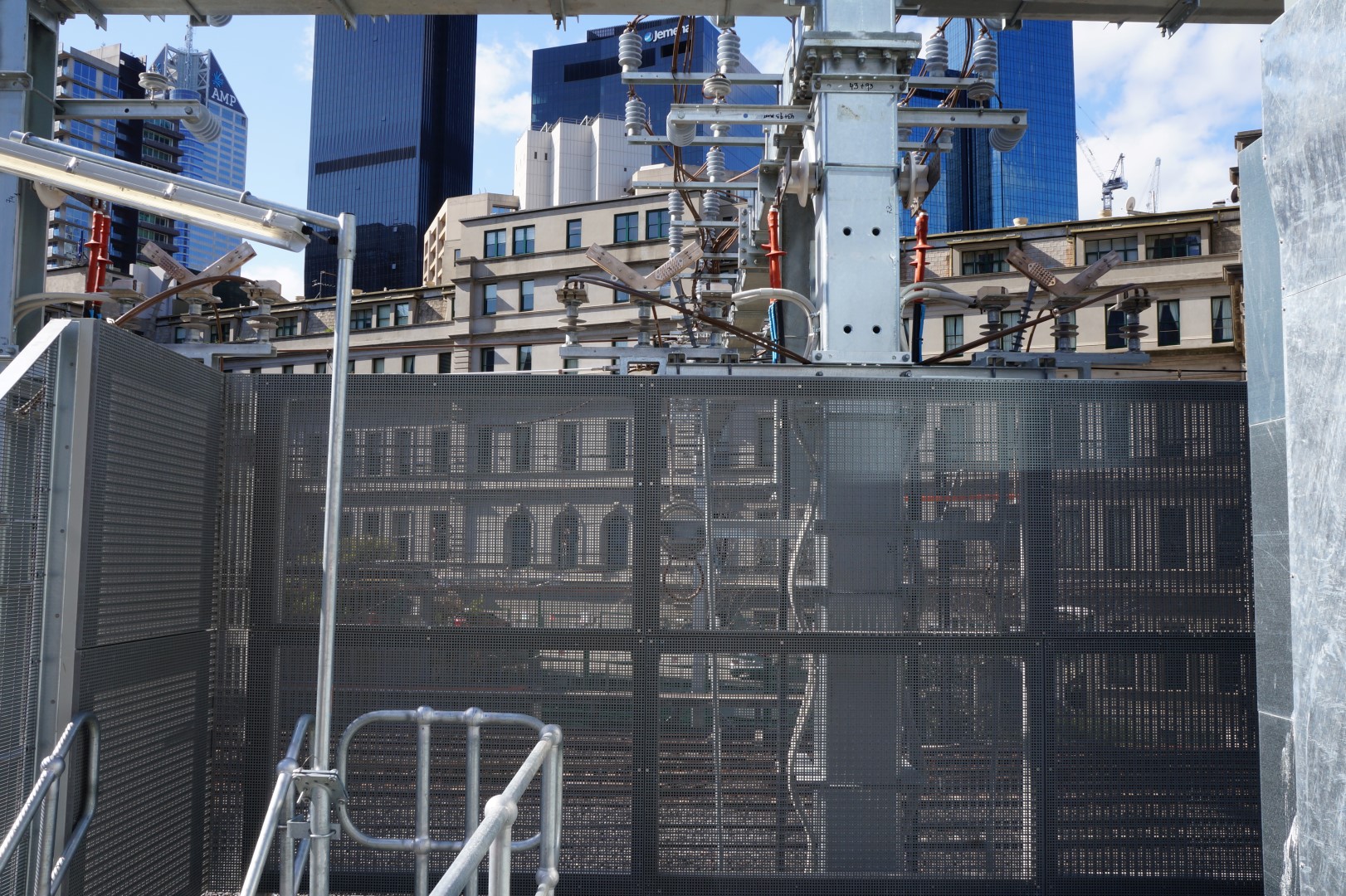
Glass Reinforced Plastic (GRP) fencing and screening systems offer a safer and more efficient alternative. As a naturally non-conductive material, GRP eliminates the need for earthing or bonding systems, helping simplify installation while maintaining high safety standards in electrically sensitive environments.
In locations where electrical infrastructure is present, GRP’s inherent electrical insulation properties help minimise the risk of unintended current transfer, protecting both personnel and critical equipment.
Typical Applications
GRP fencing and screening systems are commonly used in a variety of infrastructure and utility environments, including:
- Substation fencing – creating secure and safe perimeters around live electrical equipment.
- Rail corridor screening – providing reliable boundaries along rail networks without introducing conductive materials.
- Trackside equipment enclosures – protecting signalling, communication, and control systems within electrified rail zones.
Long-Term Performance Benefits
- Corrosion resistance – GRP does not rust or deteriorate, even in harsh outdoor environments.
- Durability – composite structures maintain strength and stability over extended service life.
- Minimal maintenance – no repainting, anti-corrosion treatments, or frequent replacement cycles are required.
In addition to enhanced safety, GRP fencing and screening systems provide several long-term operational advantages: